
How the role of fire in outdoor design has fundamentally changed — and what it means for the professionals who specify it.
There was a time when fire was the last thing added to an outdoor space. The hardscape went in, the plantings took shape, the kitchen got plumbed — and somewhere near the end, someone would ask, “Should we throw in a fire pit?”
That era is over.
In the most thoughtfully designed outdoor spaces being built today, fire isn’t an afterthought. It’s the organizing principle. The element around which everything else — seating, sightlines, lighting, circulation — is arranged. The shift has been quiet, but it’s been total. And for the architects, landscape professionals, designers, and builders doing this work, the implications are significant.
From Accessory to Anchor
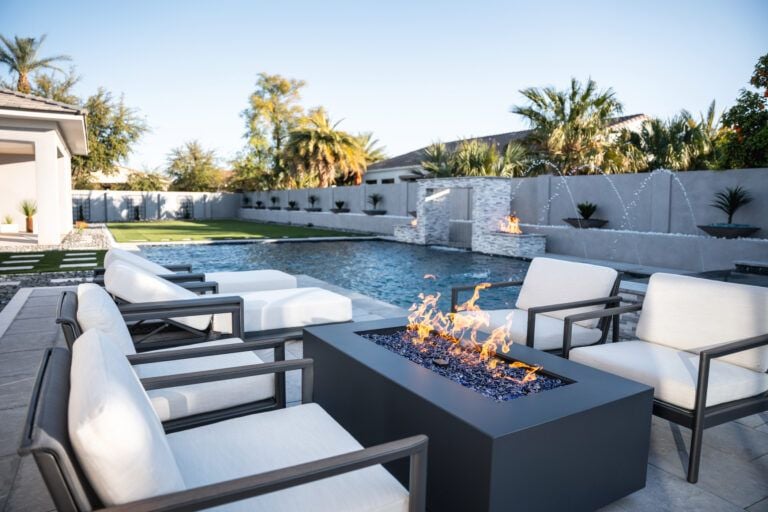
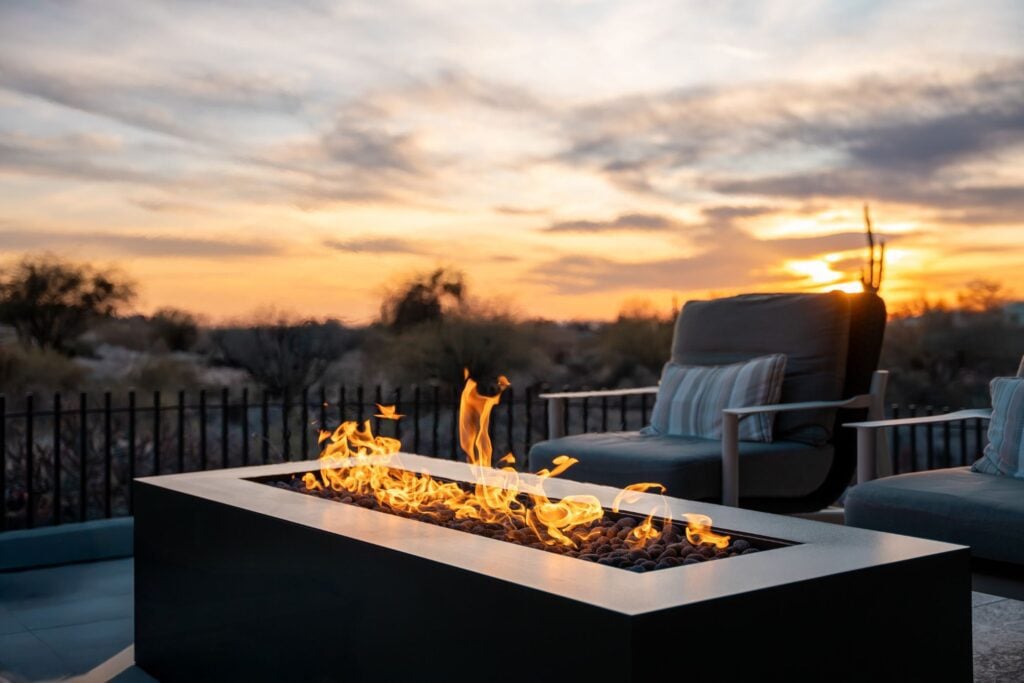
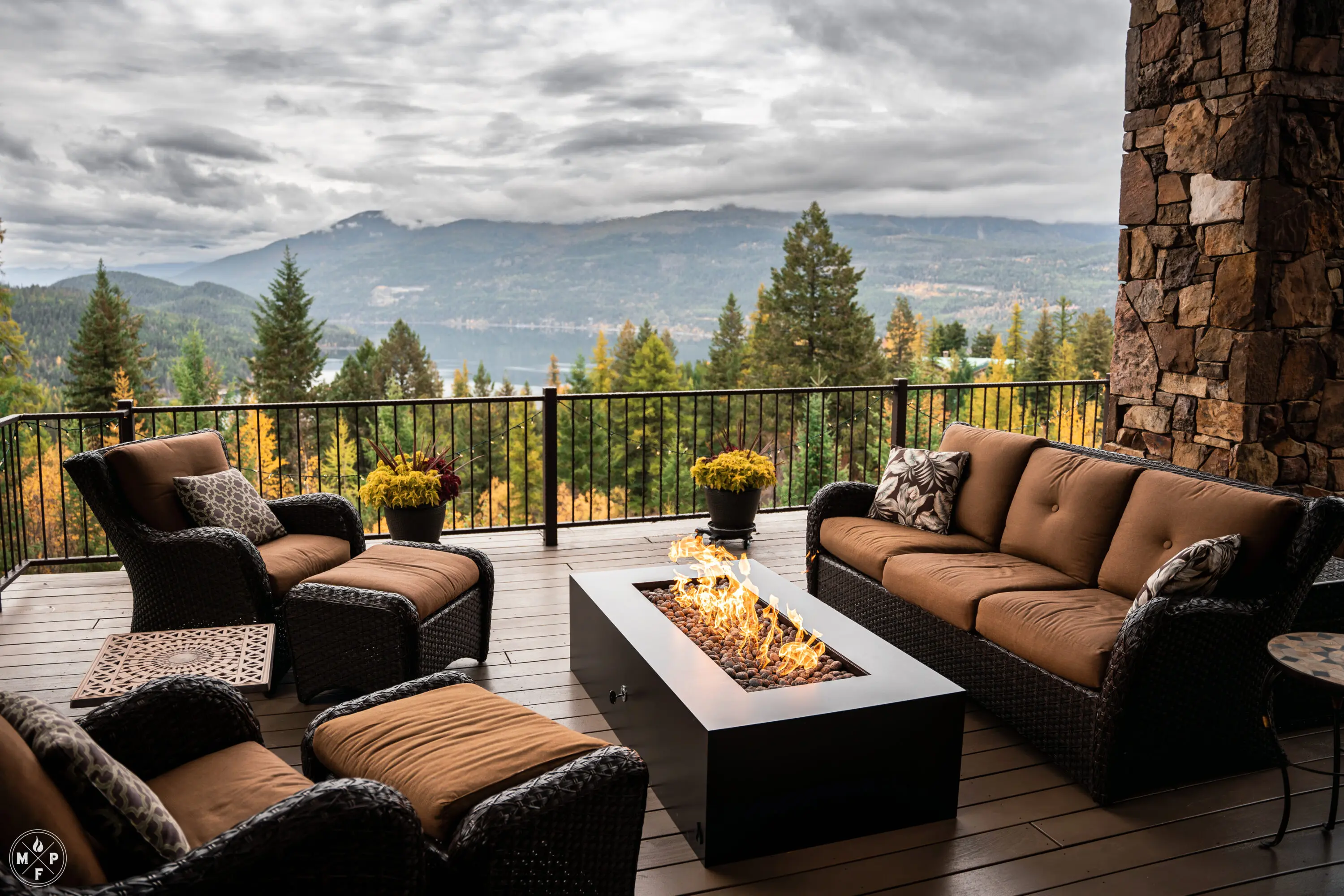
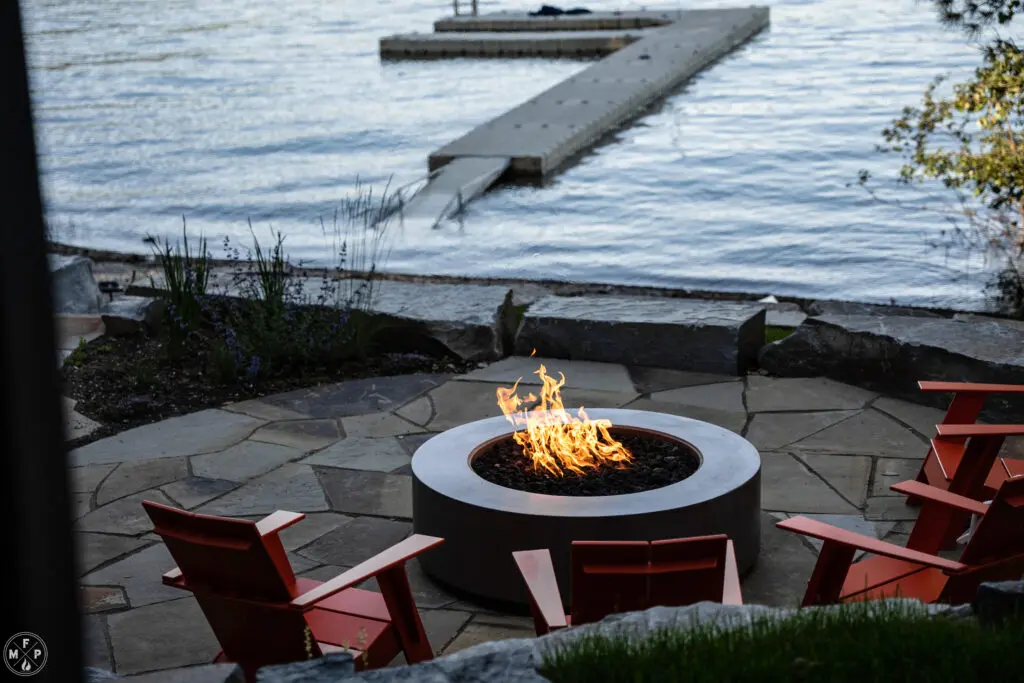
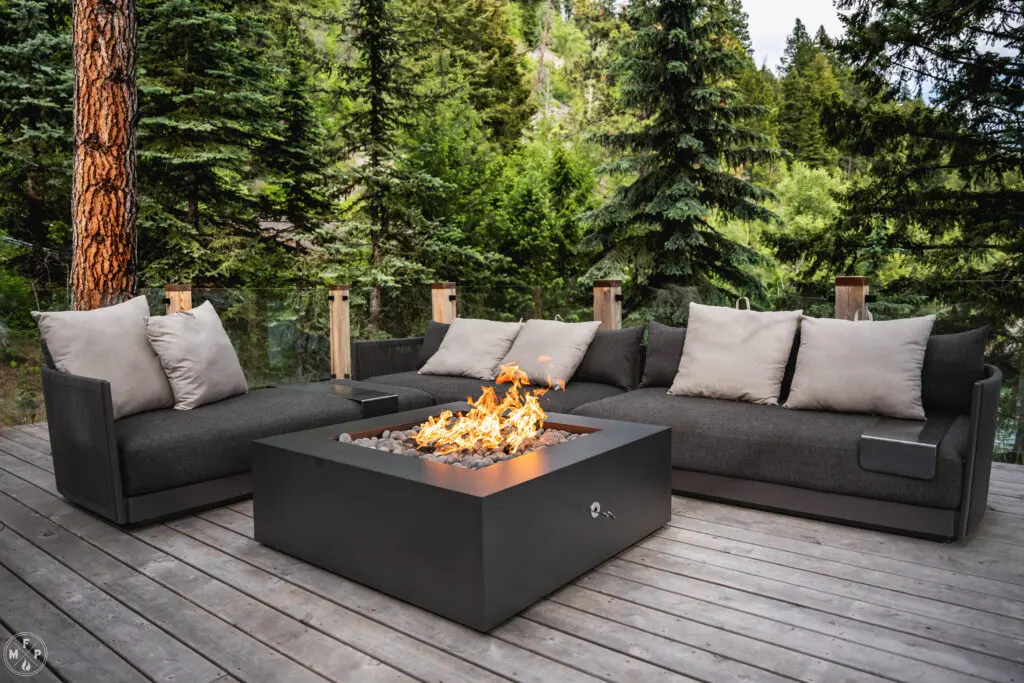
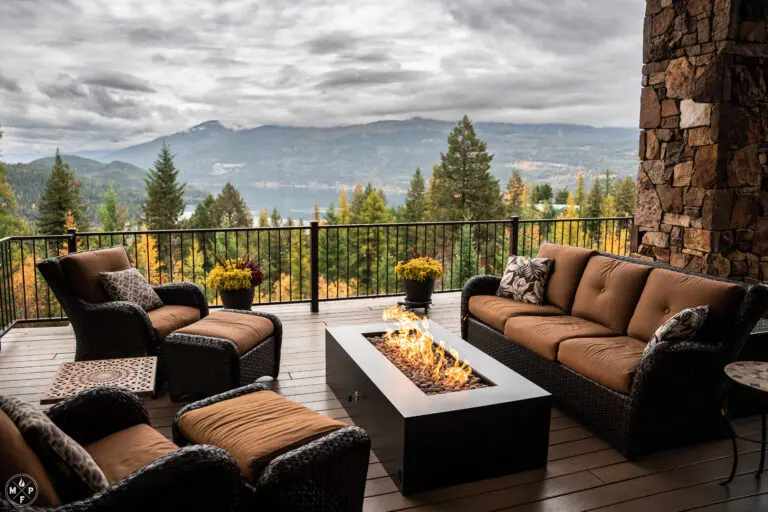
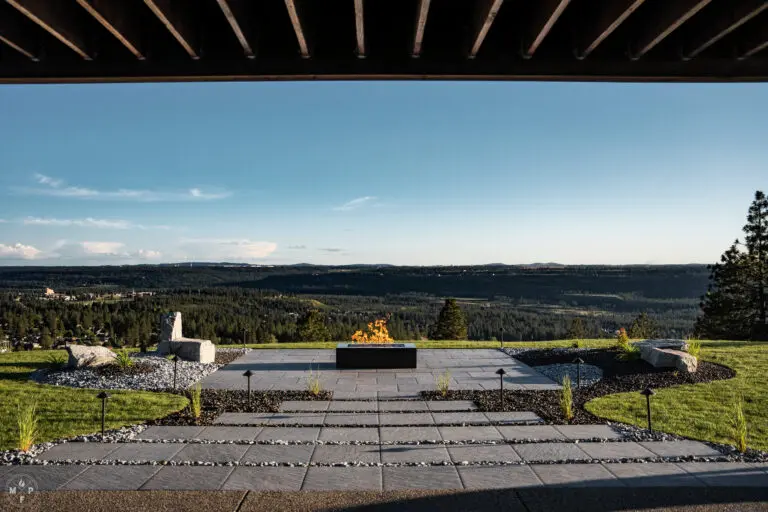
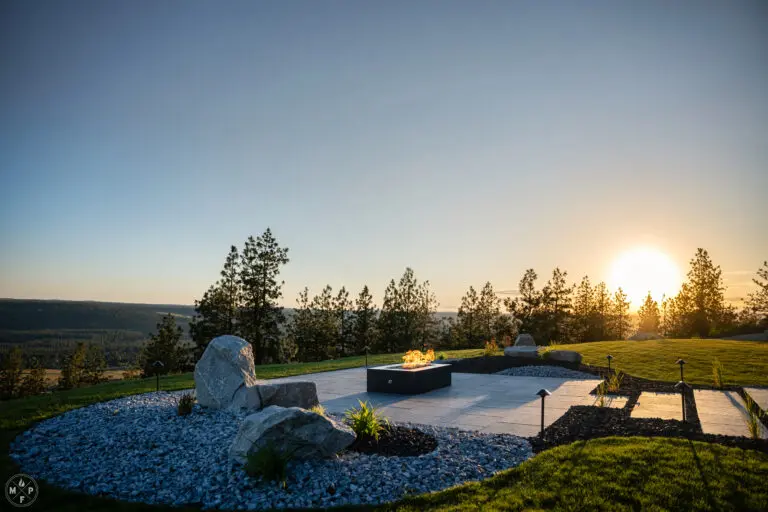
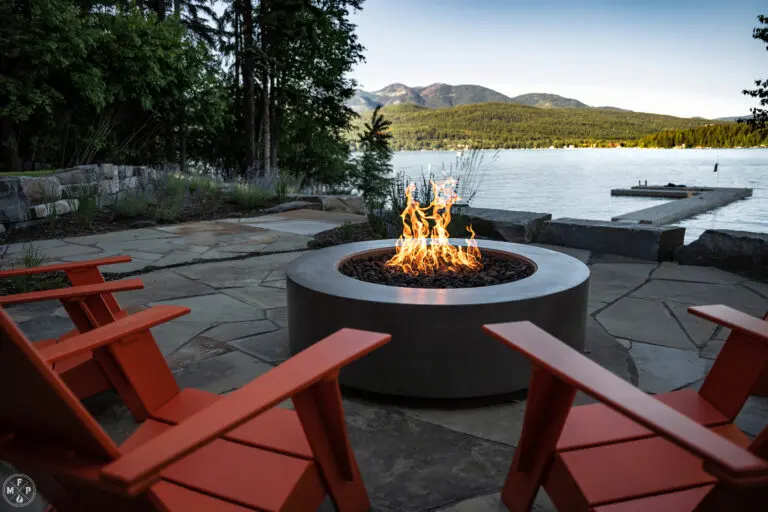
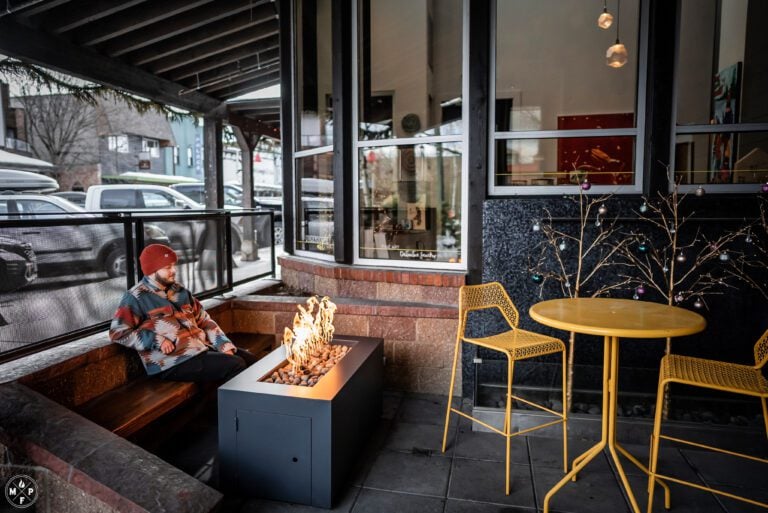
Walk through any high-end outdoor project completed in the last two years and you’ll notice something. The fire feature isn’t tucked into a corner. It’s centered. It’s integrated into the architecture of the space itself — built into seat walls, aligned with interior sight lines, scaled to the proportions of the structure it serves.
This isn’t decorative fire. This is architectural fire.
The distinction matters. A decorative fire pit is a product you place. An architectural fire system is something you design around. It influences the geometry of the space, the flow of how people move through it, and ultimately, the way a space feels after dark. It’s the outdoor equivalent of the hearth — the thing that turns a collection of materials into a room.
Landscape architects have been saying this for years in different ways. Fire defines the edge. Fire creates the room. Fire is what pulls people in and keeps them. But what’s changed recently is that the rest of the design-build world has caught up. Architects are integrating fire into schematic design, not construction documentation. Builders are roughing in gas lines during framing, not retrofitting them later. Interior designers are extending material palettes from living rooms through sliding walls and out to fire tables that share the same finish language.
Fire has earned a seat at the table — literally and architecturally.
Why This Shift Happened
Several forces converged. The outdoor room concept matured from a magazine trend into a genuine design discipline, and with it came the expectation that outdoor spaces should have the same spatial logic as interior ones. A room needs a center. Fire became that center.
Hospitality raised the bar. Linear fire walls in resort lobbies, fire-and-water features at hotel entries, rooftop fire systems overlooking city skylines — these projects demonstrated what fire could do when treated as architecture rather than appliance. Residential clients saw those spaces and brought the expectation home.
Technology caught up, too. Electronic ignition, wind-rated burner systems, app-controlled flame height, and engineered materials that withstand decades of weather made it possible to deploy fire in ways that weren’t feasible ten years ago. Fire could now go on rooftops, inside covered structures, along pool edges, and into tight urban courtyards — places that demanded precision engineering, not just a gas ring and a match.
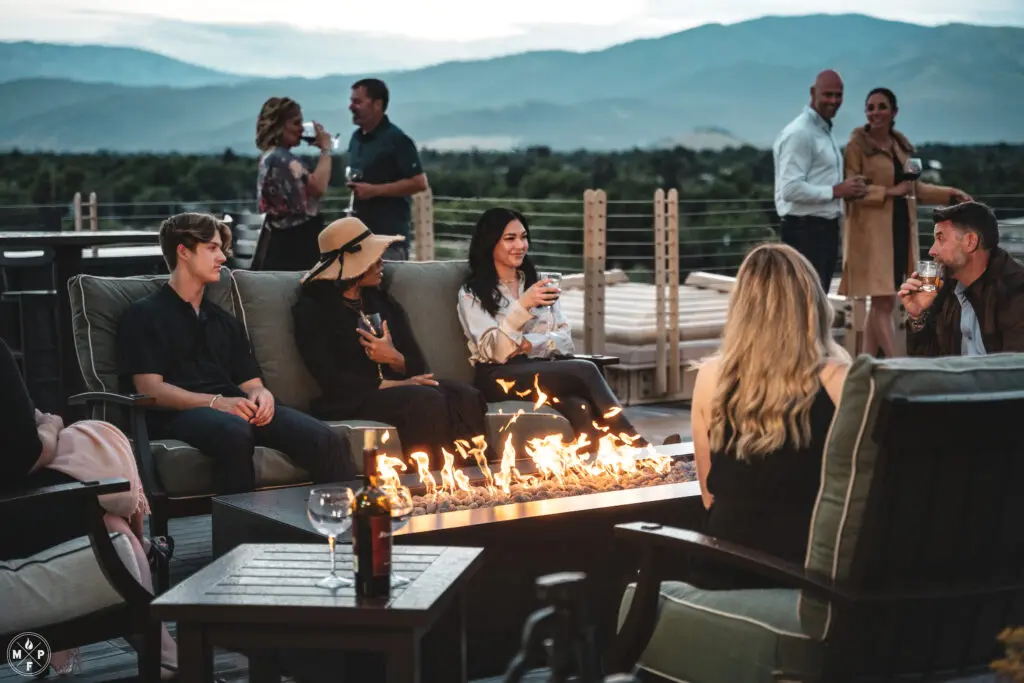
And then there’s the simplest force of all: fire is the single most powerful element for extending the use of an outdoor space. A well-designed fire feature doesn’t just look good — it adds months to the calendar. In northern climates, that’s the difference between a patio that gets used five months a year and one that gets used nine.
What This Means for Professionals
If fire has moved from accessory to infrastructure, then the way professionals approach it needs to move too. And in practice, that means rethinking three things.
Timing. Fire features specified late in a project create problems — gas supply conflicts, clearance violations, awkward proportions, and expensive change orders. When fire is treated as a schematic-phase decision, it coordinates naturally with gas infrastructure, structural requirements, electrical for ignition systems, and the spatial geometry of the overall design. The earlier fire enters the conversation, the cleaner the project runs.
Specification depth. The days of pulling a fire pit off a catalog page and dropping it into a set of drawings are fading. Performance-based specifications are becoming the norm on serious projects: flame height in wind, BTU output for climate and altitude, material durability ratings, ignition system type, maintenance access requirements. Professionals are writing specs that read more like mechanical engineering than product selection — and manufacturers need to support that level of detail with real technical documentation, not just lifestyle photography.
Coordination across trades. A fire feature touches more trades than almost any other single element in an outdoor project. Gas fitters, electricians, masons, landscape contractors, and sometimes structural engineers all need to coordinate around the same installation. The manufacturer’s role has expanded from “ship the product” to “support the entire integration.” Rough-in dimensions, gas line sizing charts, clearance-to-combustibles documentation, ventilation requirements — this is the information that makes or breaks a smooth install.
The Regulatory Reality
There’s another dimension to this that professionals are increasingly navigating: code complexity. Fire feature regulations vary dramatically from one jurisdiction to the next, and they’re tightening — particularly in wildfire-prone regions.
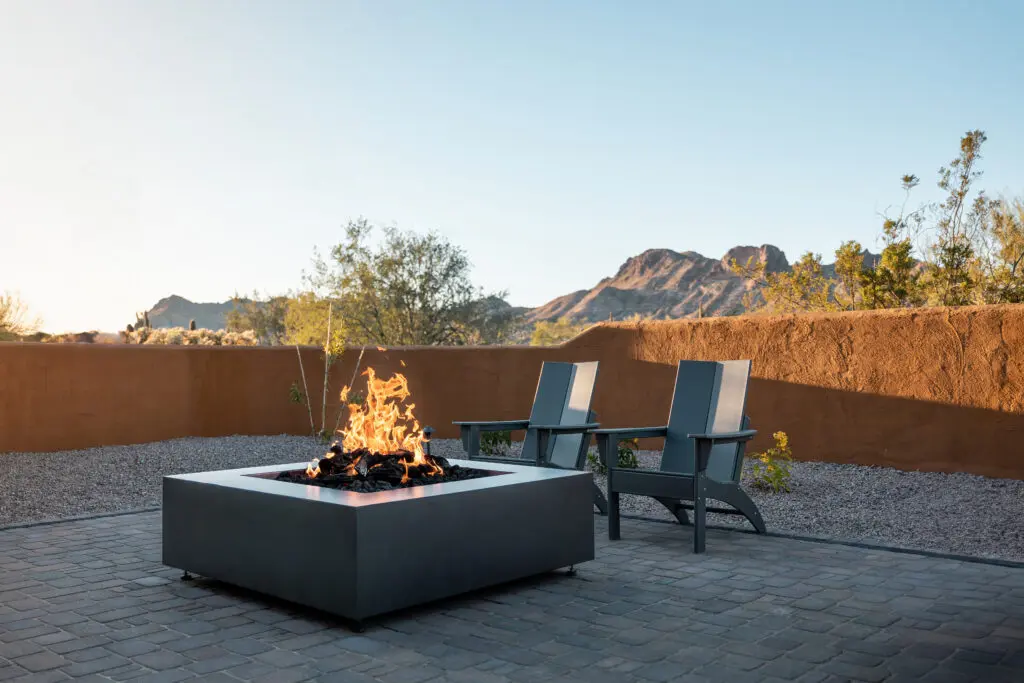
WUI zone restrictions across the Mountain West and California have introduced setback requirements, fuel-type limitations, and in some areas, outright prohibitions on certain types of outdoor fire. The upcoming code cycle is expected to add further provisions around ember resistance and weather-responsive shutoff systems. Insurance carriers are scrutinizing fire features more closely, especially in high-risk zones, and the difference between a listed, engineered system and a field-built assembly can affect coverage decisions.
For professionals, this means the manufacturer you choose matters more than it used to. Not just for product quality, but for the documentation and technical support that gets a project through permitting and inspection. Code compliance isn’t a marketing claim — it’s a set of specific standards, specific listings, and specific installation parameters that need to be right for the jurisdiction you’re building in.
What to Look for in a Fire System Partner
The shift from fire-as-accessory to fire-as-architecture has changed what professionals should expect from the brands they specify.
A manufacturer operating at this level should provide complete technical documentation — not just cut sheets, but CAD files, BIM objects, CSI-formatted specifications, and detailed installation guides organized by trade. They should be able to support custom fabrication from architectural drawings, not just offer a short list of catalog modifications. Their team should be able to answer engineering-level questions about gas pressure at altitude, burner performance in sustained wind, and structural integration with site-specific conditions.
And perhaps most importantly, they should understand that the professional relationship doesn’t end at the shipping dock. The best fire system manufacturers stay involved through installation support, coordination with contractors, and long-term service — because the professional’s reputation is attached to every product they specify.
The Opportunity Ahead
We’re at an inflection point. Fire features are now present in the vast majority of high-end outdoor projects. Industry data consistently shows demand increasing among both residential and commercial clients. Outdoor living continues to rank as one of the most requested features in custom home design.
But the market is still catching up to the design intent. Too many fire products are engineered for consumers, not professionals. Too much manufacturer content speaks to homeowners, not architects. Too little technical infrastructure exists to support the specification-grade work that professionals need to do.
That gap is an opportunity — for manufacturers willing to invest in professional-grade support, and for professionals willing to hold their fire system partners to a higher standard.
Fire has always been the most elemental design material we have. It’s primal, it’s magnetic, and it transforms space unlike anything else. The difference now is that the industry is finally treating it that way.
Montana Fire Pits builds architectural fire systems by hand in Montana — engineered for professionals who treat fire as infrastructure, not decoration. Explore our professional resources or request trade access to specification tools, BIM objects, and dedicated project support.

What Goes Into a Cover
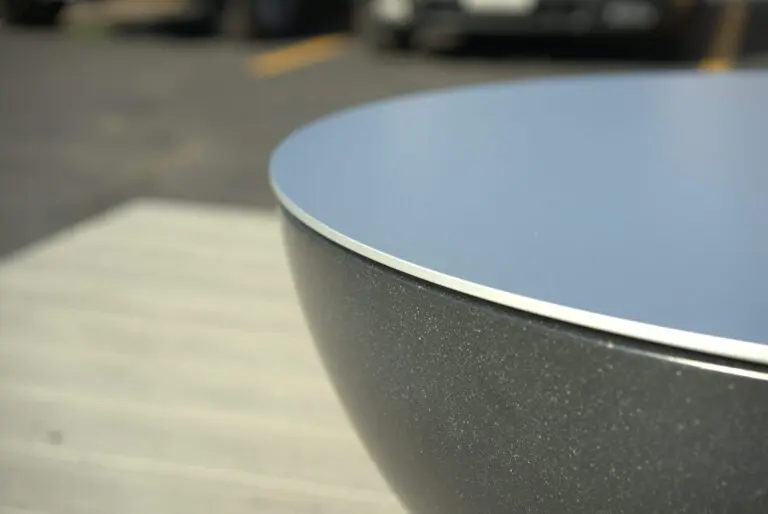
We get the question, and it’s a fair one. You’re looking at a fire feature that costs a few
thousand dollars, and the cover shows up as another line item on top of that. It makes sense to
wonder what you’re paying for.
What Design-Build Contractors Actually Need From a Fire System Partner
Fire features have become a standard expectation in premium outdoor design. Clients want them. Architects draw them in. And as the contractor, you’re the one who has to make the vision actually work — with real gas lines, real installation conditions, and a real client standing by.
6 Fire Pit Installation Mistakes We See Every Week (and How to Avoid Them)
Introduction: Fire Pits Don’t Fail, Planning Does When someone calls us with a fire pit problem, it’s almost never because of the