

Introduction: Fire Pits Don’t Fail, Planning Does
When someone calls us with a fire pit problem, it’s almost never because of the fire pit itself.
It’s because something was overlooked before installation.
After years of working with homeowners, designers, and contractors across the country, we’ve seen the same mistakes show up again and again. Not dangerous mistakes, just frustrating ones that keep people from getting the Montana Fire Pits experience they expected.
This article walks through the six most common fire pit installation mistakes we see every week — and how to avoid them before they cost you time, money, or performance.
1. Not Planning the Gas Line Capacity
This is the number one issue we see, by far.
Most homes are not built with enough gas capacity to support a high-performance fire feature. When a fire pit doesn’t get enough fuel, the flame looks weak, uneven, or disappointing, even though nothing is technically “wrong.”
What’s happening
- The burner is sized correctly
- The fire pit is installed correctly
- But the gas line feeding it is too small
The result?
A fire feature that never reaches its potential.
How to avoid it
- Confirm total BTU demand before installation
- Verify gas pipe diameter from meter to fire pit
- Account for elbows, run length, and other appliances
This is especially important with high-output burners like the Crossfire® Brass Burner system, which requires proper BTU supply to perform as designed.
2. Not Planning the Ignition System Correctly
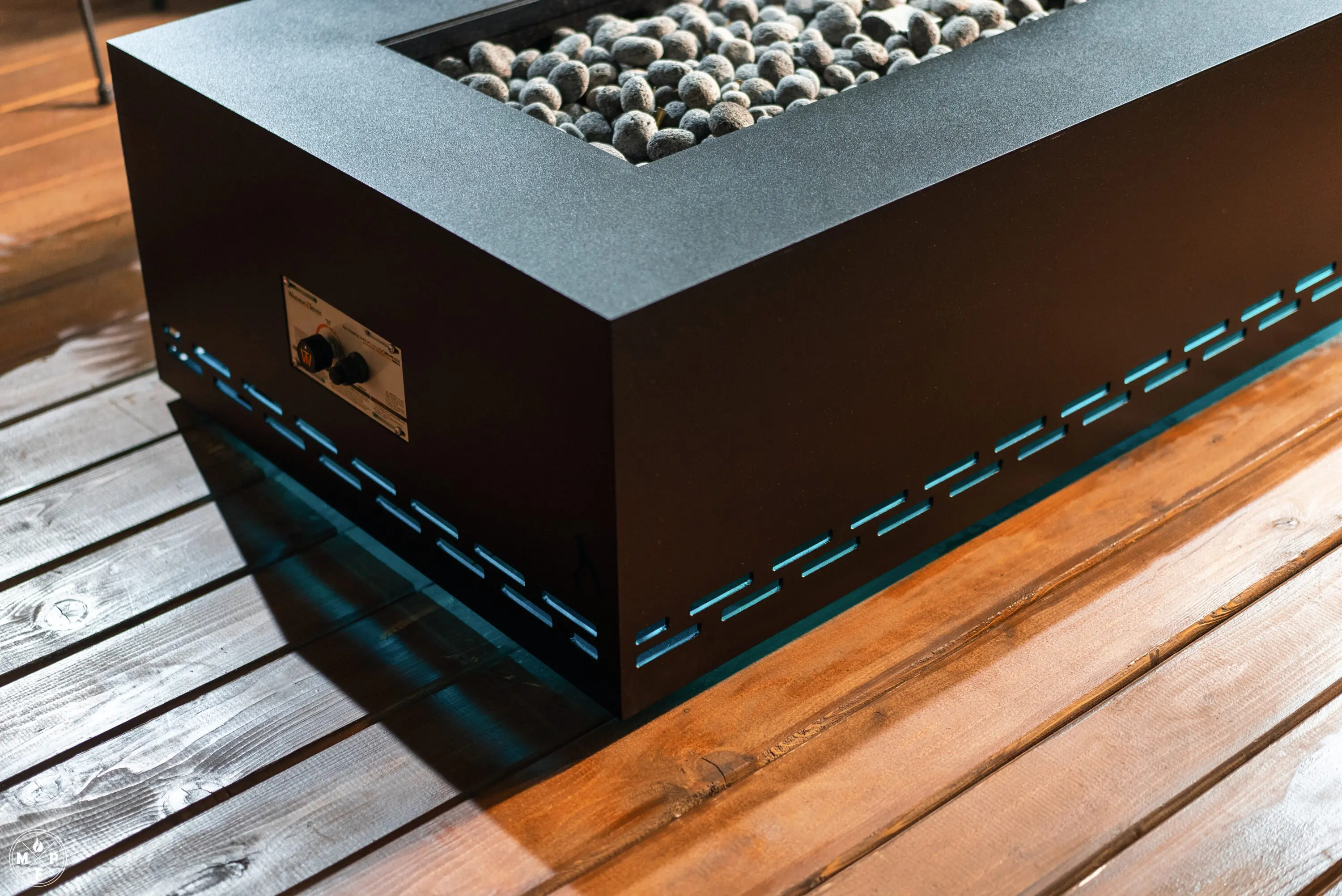
Electronic ignition systems are fantastic, when they’re planned properly.
But they do require electricity, and this is something people often forget until the fire pit is already set in place.
Another common misconception?
That electronic ignition replaces manual control.
It doesn’t.
Common oversights
- No power source available at the fire pit
- Assuming flame height is controlled electronically
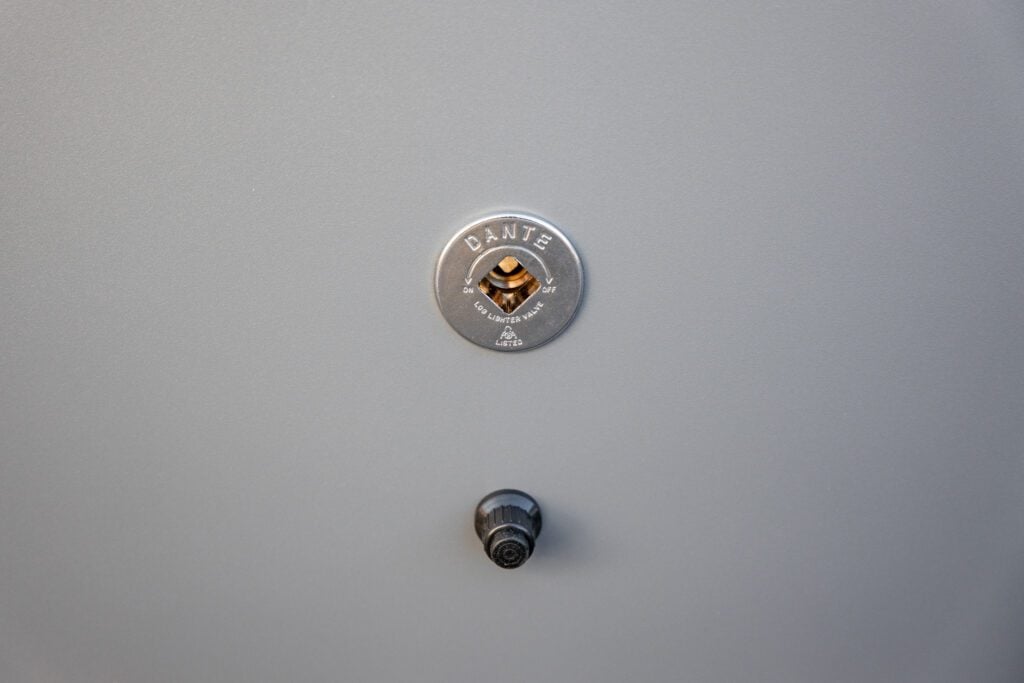
- Forgetting to purchase or install the key valve
Even with electronic ignition, you still need a key valve to control gas flow and flame height. The ignition lights the fire — the key valve controls it.
How to avoid it
- Plan electrical access early
- Confirm ignition type before installation
Install and test the key valve as part of the system
3. Skipping Local Code Requirements for Shutoff Valves

Every city and county handles fire features a little differently.
Some jurisdictions require:
- A secondary shutoff switch
- An emergency gas shutoff
- Specific valve placement or labeling
Skipping this step can mean failed inspections, delays, or costly rework.
How to avoid it
- Check local building and fire codes early
- Confirm shutoff requirements with your AHJ
- Communicate requirements clearly to your installer
A five-minute phone call can save weeks of frustration.
4. Not Using Licensed Professionals (or Booking Them at the Wrong Time)
Fire pits are not a DIY appliance, even when the installation looks simple.
We strongly recommend:
- A licensed plumber for gas
- A licensed electrician or HVAC professional for ignition
But there’s another mistake we see often:
Booking your plumber on the delivery date.
Fire features ship in crates, often require staging, and should be inspected before installation begins. Rushing the install leads to missed steps.
How to avoid it
- Schedule installers after delivery
- Allow time for inspection and layout
Use licensed professionals who understand gas systems
5. Using a Plastic Flex Line Instead of Stainless Steel
This one surprises people.
Some plumbers choose plastic flex lines because they’re cheaper and quieter on paper, but in practice, they often create an annoying whistling noise when gas flows at higher volumes.
It’s not dangerous, just irritating.
And once installed, it’s frustrating to fix.
How to avoid it
- Specify stainless steel flex lines
- Match flex line size to burner output
- Avoid restrictive fittings
This small upgrade makes a huge difference in sound and performance.
6. Not Priming the Key Valve Before Installation
This is a simple step that saves a lot of frustration.
Our key valves ship locked down tight, intentionally. It’s much easier to break them in before they’re installed in masonry or steel.
Once installed, access is limited, and priming becomes much harder.
How to avoid it
- Prime the key valve before installation
- Test rotation and smooth operation
- Confirm full open/close range
This takes minutes and makes day-one use much more enjoyable.
Final Thoughts: Most Installation Issues Are Preventable
None of these mistakes mean a fire pit won’t work.
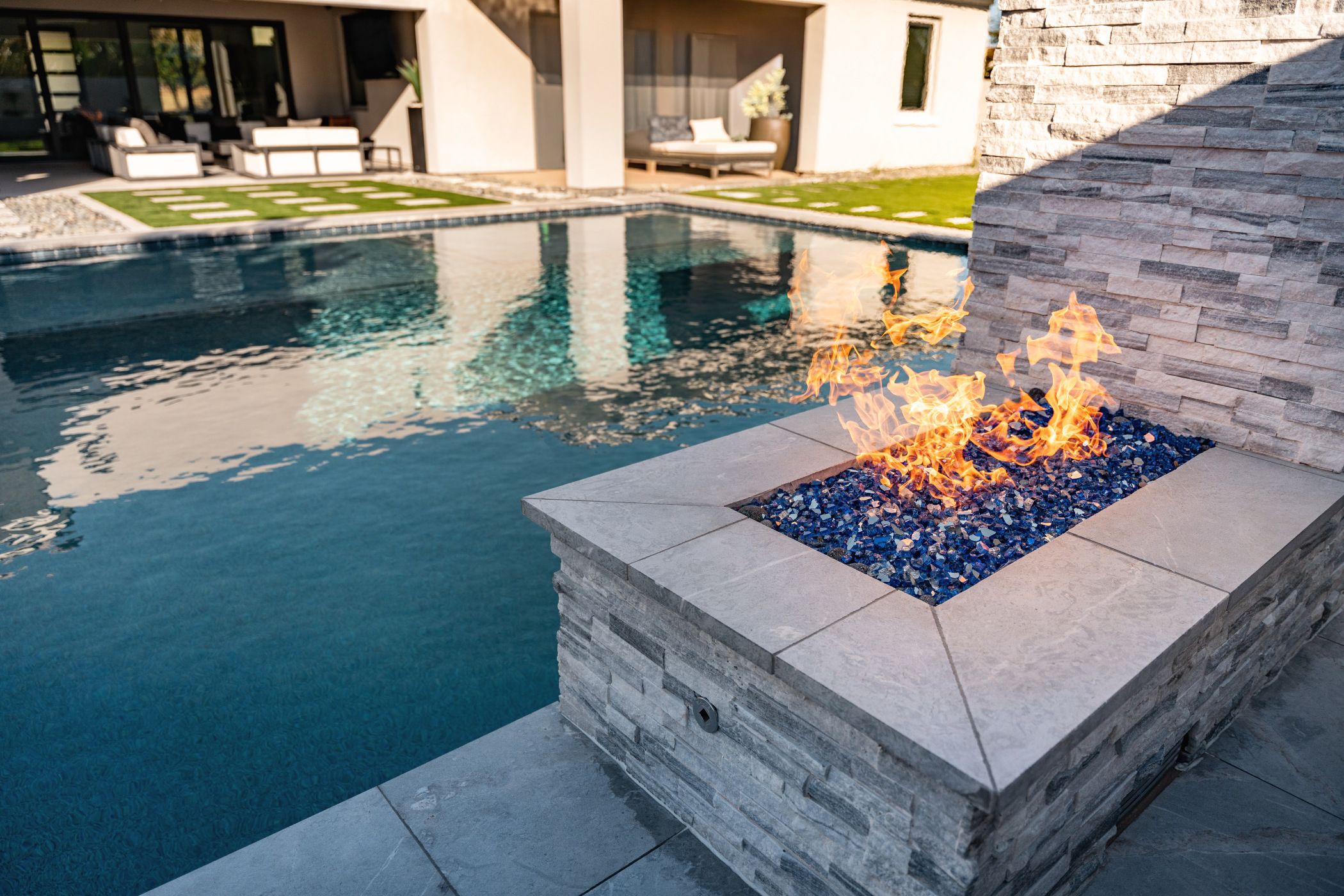
But together, they can quietly take away from the experience you were excited about — the warmth, the flame presence, the gathering.
A little planning goes a long way.
If you’re ever unsure about:
- gas line sizing
- ignition planning
- valve selection
- installation sequencing
Our team is here to help before problems show up.
Helpful Resources
🔗 BTU Guide
🔗 Gas Line Sizing Guide
🔗 Fire Pit Size Guide
🔗 Covered Patio Fire Pit Guide
🔗 Crossfire® Burner Collection


What Goes Into a Cover
We get the question, and it’s a fair one. You’re looking at a fire feature that costs a few
thousand dollars, and the cover shows up as another line item on top of that. It makes sense to
wonder what you’re paying for.

Fire Isn’t a Feature Anymore. It’s the Architecture.
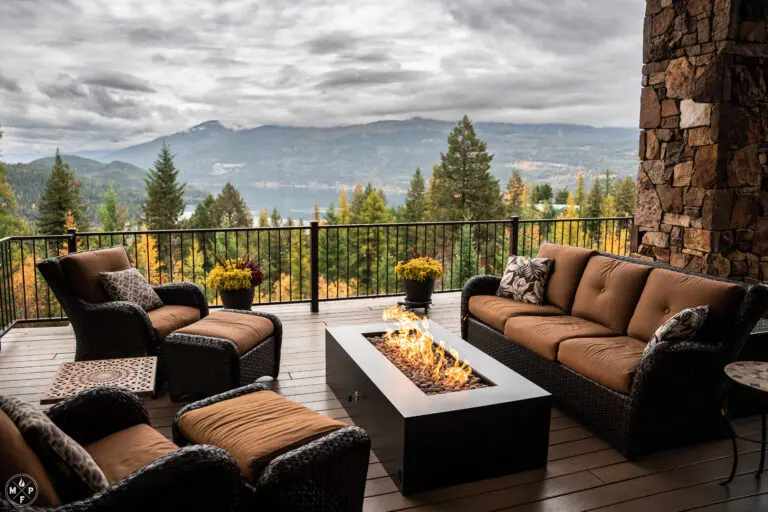
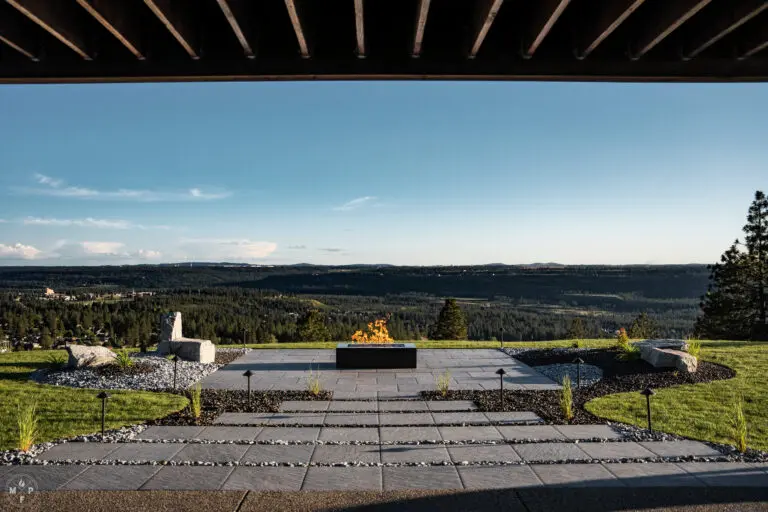
In the most thoughtfully designed outdoor spaces being built today, fire isn’t an afterthought. It’s the organizing principle. The element around which everything else — seating, sightlines, lighting, circulation — is arranged. The shift has been quiet, but it’s been total. And for the architects, landscape professionals, designers, and builders doing this work, the implications are significant.

What Design-Build Contractors Actually Need From a Fire System Partner
Fire features have become a standard expectation in premium outdoor design. Clients want them. Architects draw them in. And as the contractor, you’re the one who has to make the vision actually work — with real gas lines, real installation conditions, and a real client standing by.