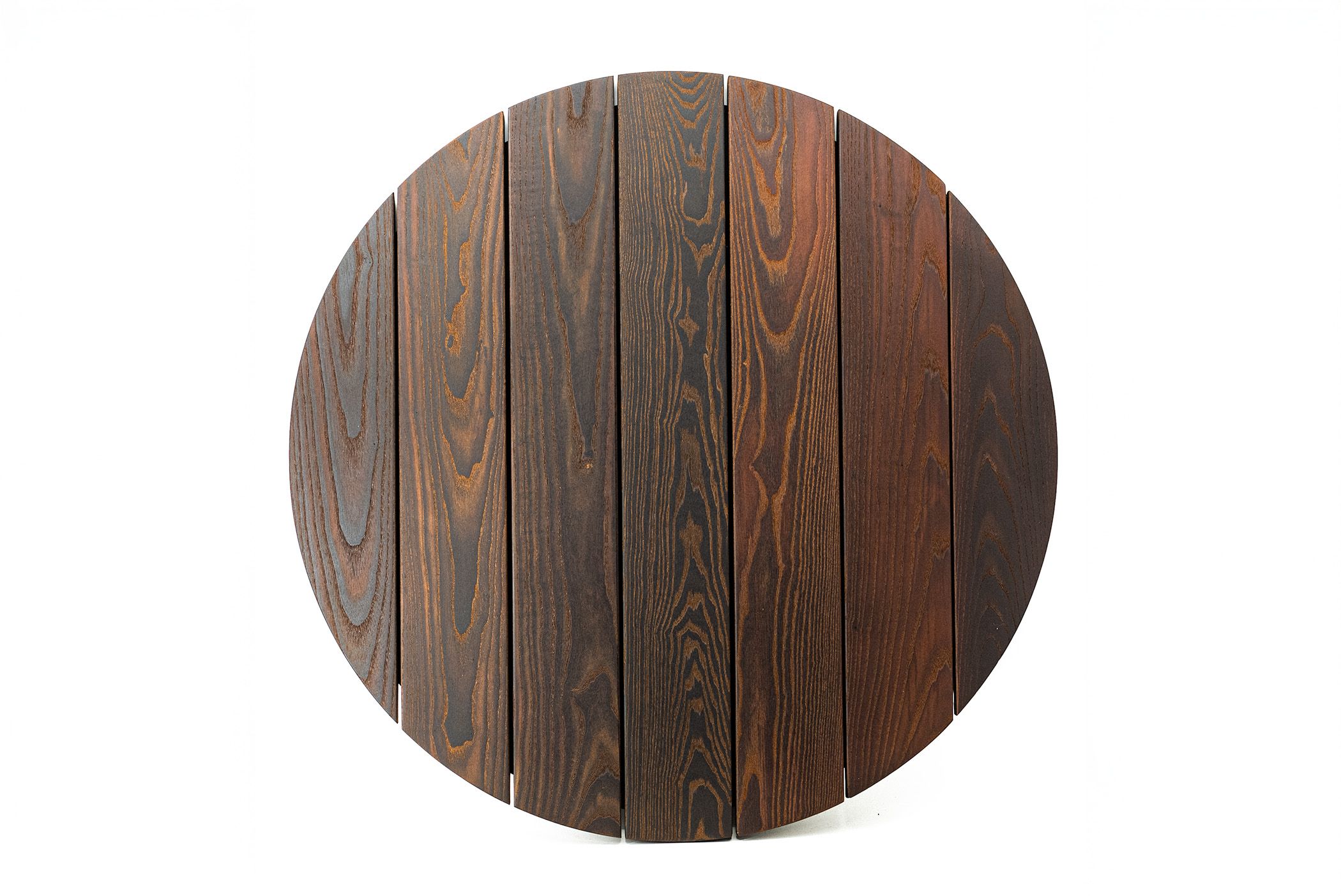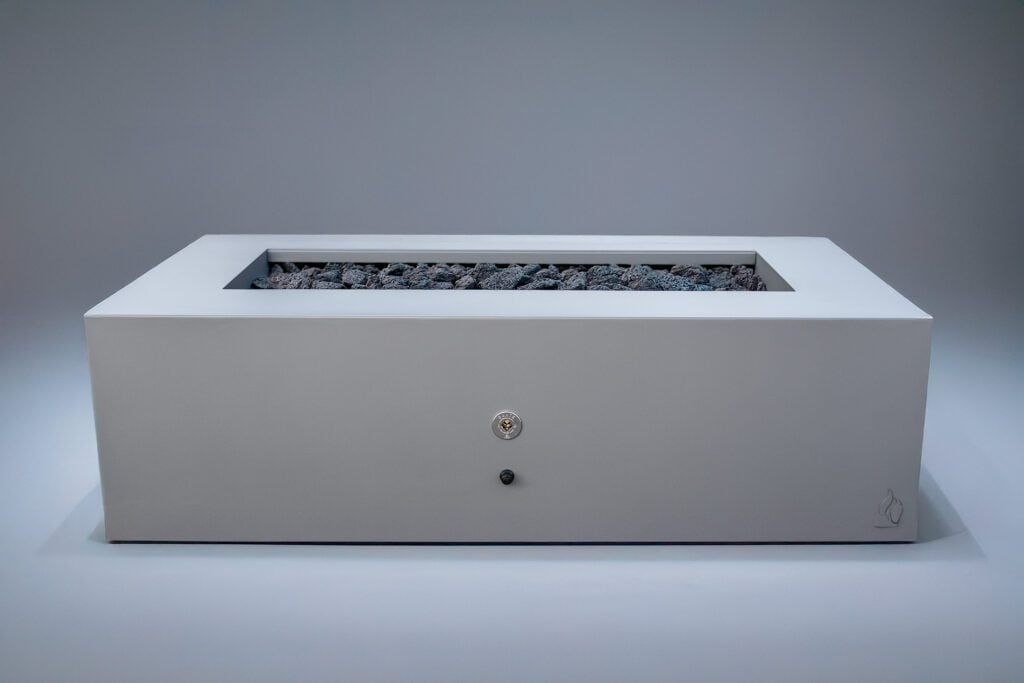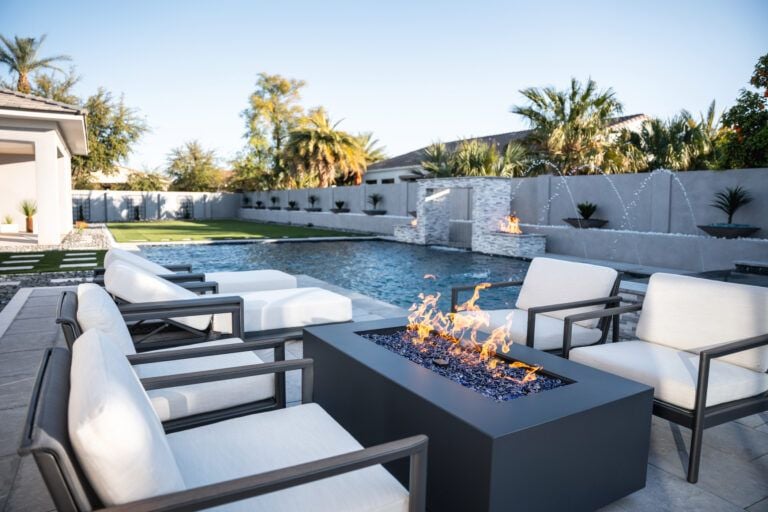
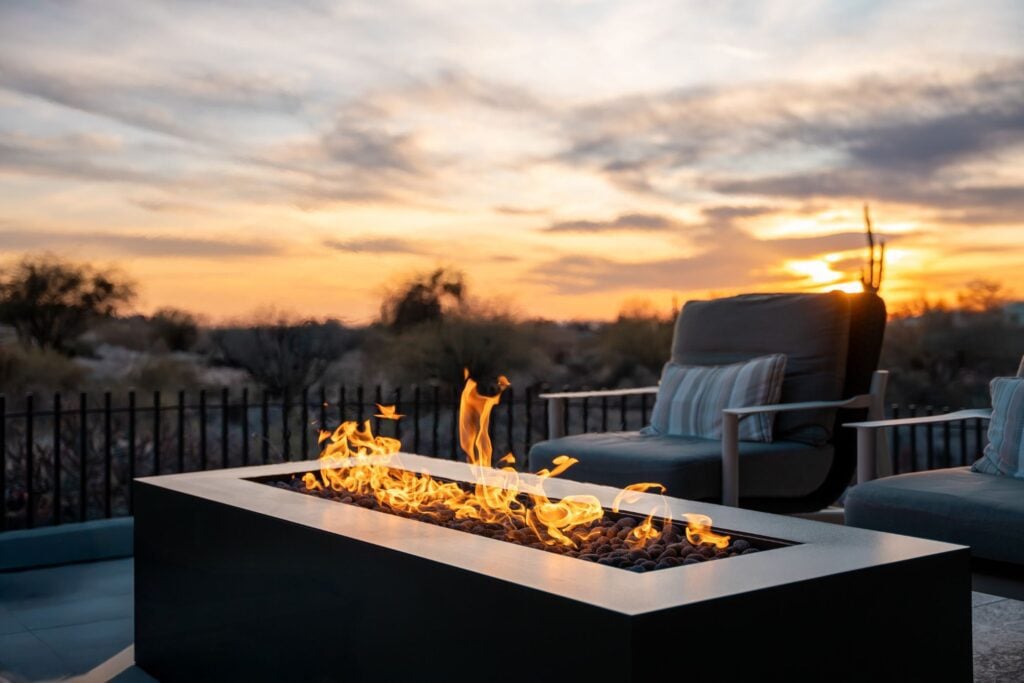

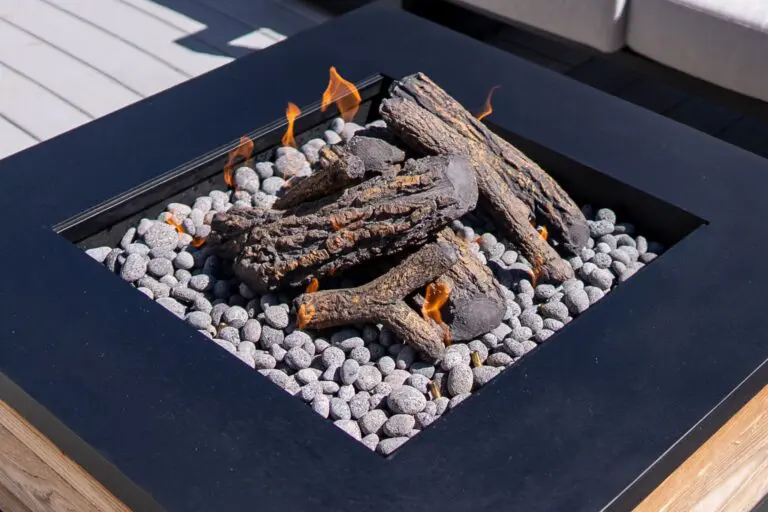
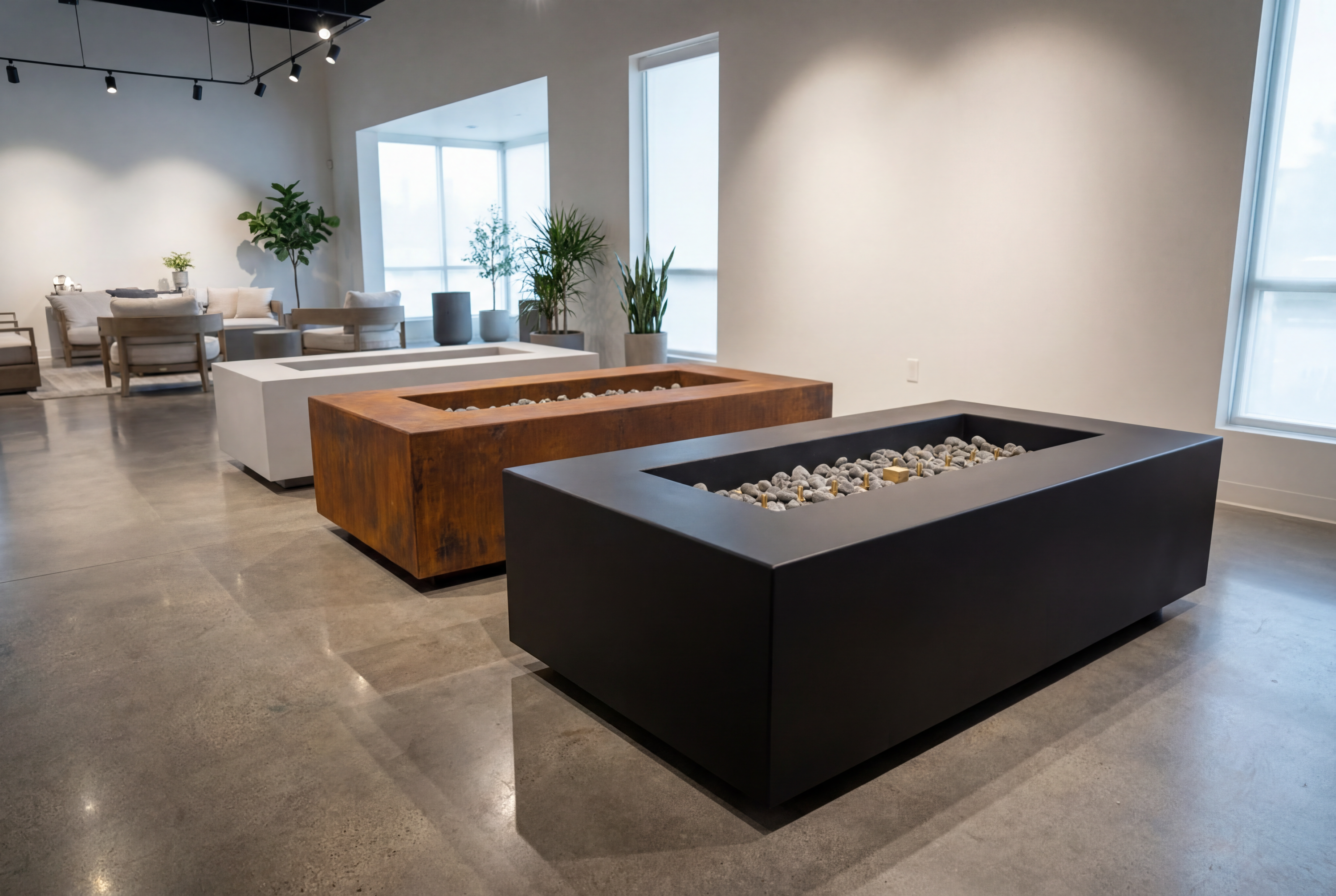
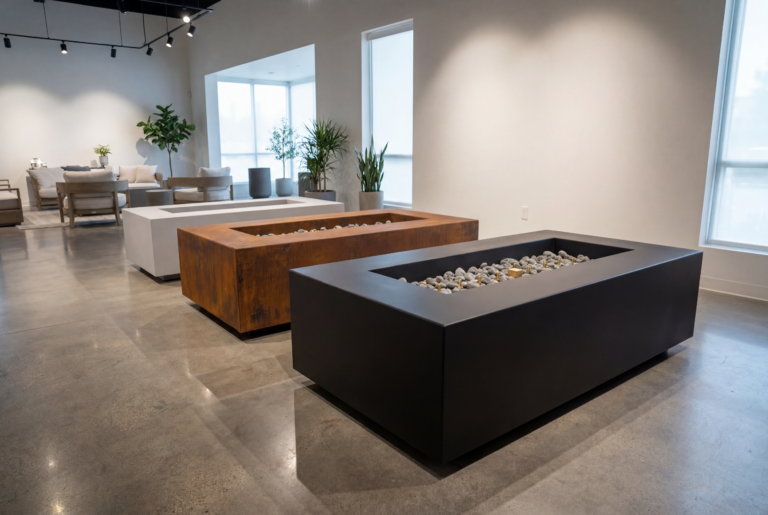
Every Montana Fire Pits gas fire table, from the Venture Series to the Studio Series and even the Arbor Collection can be built in one of three vessel materials: 3/16 inch mild steel, 10 gauge corten steel, or 3/16 inch marine-grade aluminum. The burner, the proportions, and the hand-built construction stay the same across all three. The vessel is the part you specify, and the choice comes down to three questions: where the table will sit, how much weight the install space can carry, and the finish you want to live with for the next twenty years.
Most fire pit buying guides stop at gas versus wood, then move on to size. The material the table is made from shapes how it weathers, how it feels to stand near, and where it can reasonably go. Here is how the three differ, and how to read your own site to land on the right one.
3/16 inch mild steel
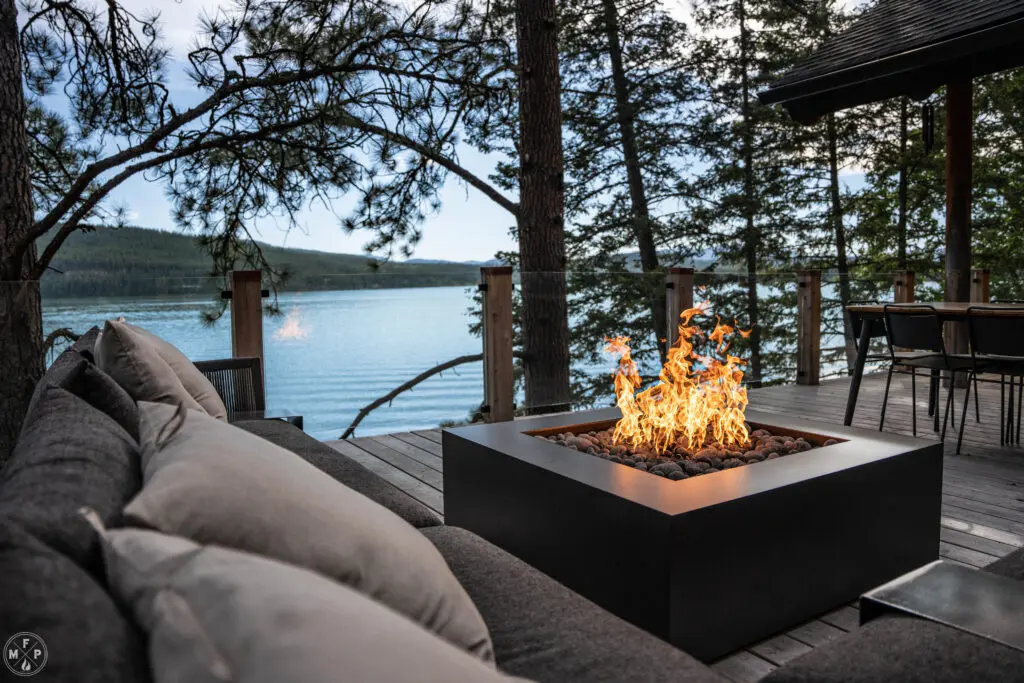
Mild steel is the material people picture when they picture a steel fire table. At 3/16 inch, the plate carries real thermal mass. It warms as the fire runs and holds that warmth, which gives the table a steady radiant presence on a cool evening.
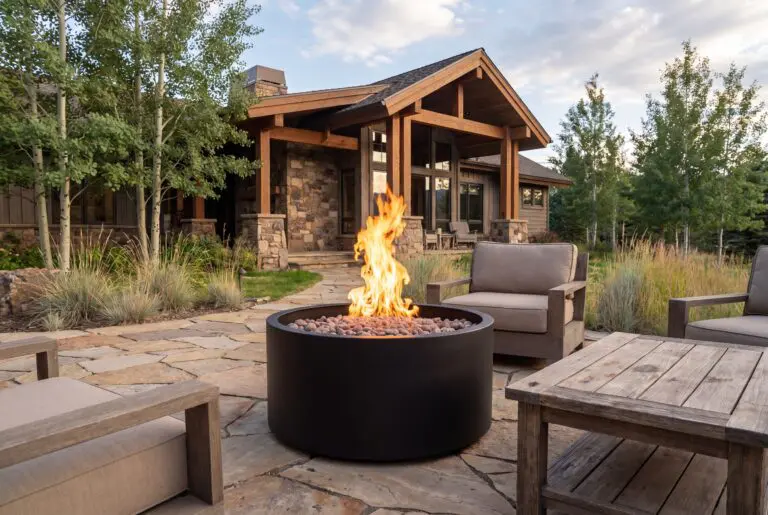
Carbon steel needs a finish to stand up to the outdoors, so the mild steel vessel is powder coated. That coating does two jobs at once: it protects the steel, and it opens up color. If you want the table to read as a deliberate design choice in a specific palette, mild steel gives you the widest range to work within.
The trade is weight and permanence. A 3/16 inch steel vessel is heavy by design, which suits a ground-level patio where the table will stay put. Keep the coating intact and the surface stays stable for years. This is the material for a fixed outdoor room you are building around the fire.
10 gauge corten steel
Corten is weathering steel, and it is the standard across the Montana Fire Pits line. Rather than fight oxidation with a coating, corten uses it. The surface forms a tight patina that seals the steel beneath it, so the finish protects the material as it ages.
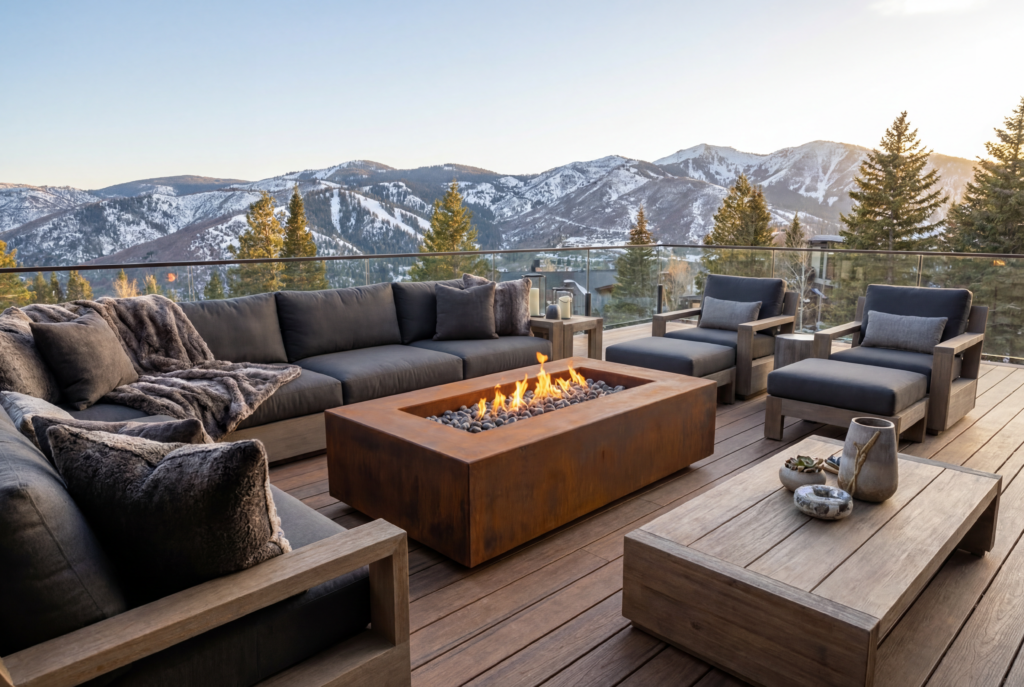
That patina is a living surface. It opens as a warm orange-brown in the first season, then deepens toward a darker, more even brown as it settles. Corten has a long lineage in sculpture and building facades for exactly this reason: the look matures on its own, and no two pieces weather identically. A fantastic example is below: our new Olympic Rise in a wonderfully aged corten steel finish.
There is one honest consideration to plan for. While the patina is still forming, rain runoff can carry pigment onto whatever sits directly below the table. On light concrete or pale pavers, that can leave a stain during the first weathering cycles. The fix is placement: set a corten table where runoff staining is acceptable, or use a pad underneath while it cures. Account for it up front and corten rewards you with a finish that gets better with weather rather than worse.
3/16 inch marine-grade aluminum
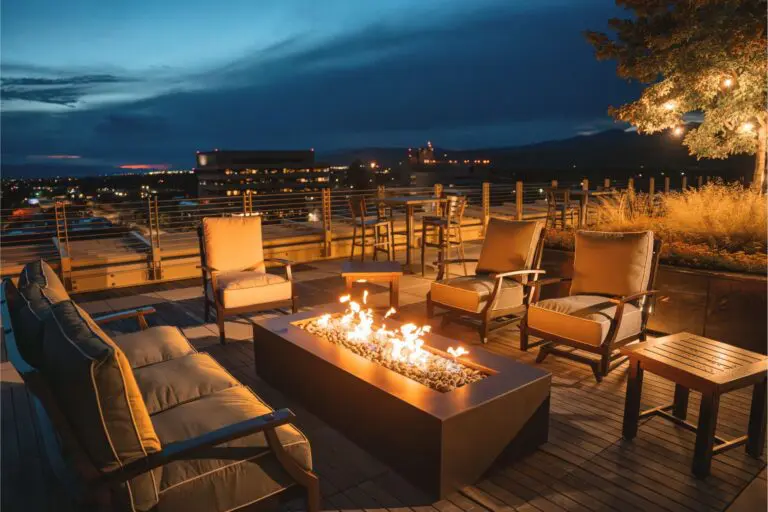
Marine-grade aluminum solves a different problem. It weighs roughly a third of what the steels weigh, making it possible to put popular models like the Yellowstone in places that steel tables cannot be moved to. Rooftop decks, second-story patios, and balconies all carry load limits, and aluminum keeps a substantial table well inside them. If structure is the deciding factor, this is the vessel that makes the install possible.
The alloy also resists corrosion, salt air included. Aluminum forms its own protective oxide layer, which is why marine grades hold up along the coast where other metals struggle. For a beach house or a lakeside deck, that resistance does quiet, daily work.
Because aluminum carries less thermal mass than steel, it warms and cools faster. The table is responsive to the fire and cools quickly once you shut it down. Pair the light weight and the corrosion resistance and you have the vessel for elevated or coastal sites where the metal has to earn its place.
Reading your own site
The decision gets simpler once you describe where the table will actually live.
Choose 3/16 inch mild steel for a ground-level patio where you want radiant warmth and a specific finish color, and where weight is welcome because the table is staying.
Choose 10 gauge corten when you want an architectural, evolving surface and the placement allows for early patina runoff. This is the material for a designer who wants the finish to age into the landscape.
Choose 3/16 inch marine-grade aluminum for a rooftop, a second-story deck, a balcony, or a coastal property, where weight limits or salt exposure set the terms.
If you are still weighing two of them, the tiebreaker is usually structure and climate first, finish preference second. A rooftop near the ocean answers itself. A protected ground-level patio leaves the choice open to taste.
What every vessel shares
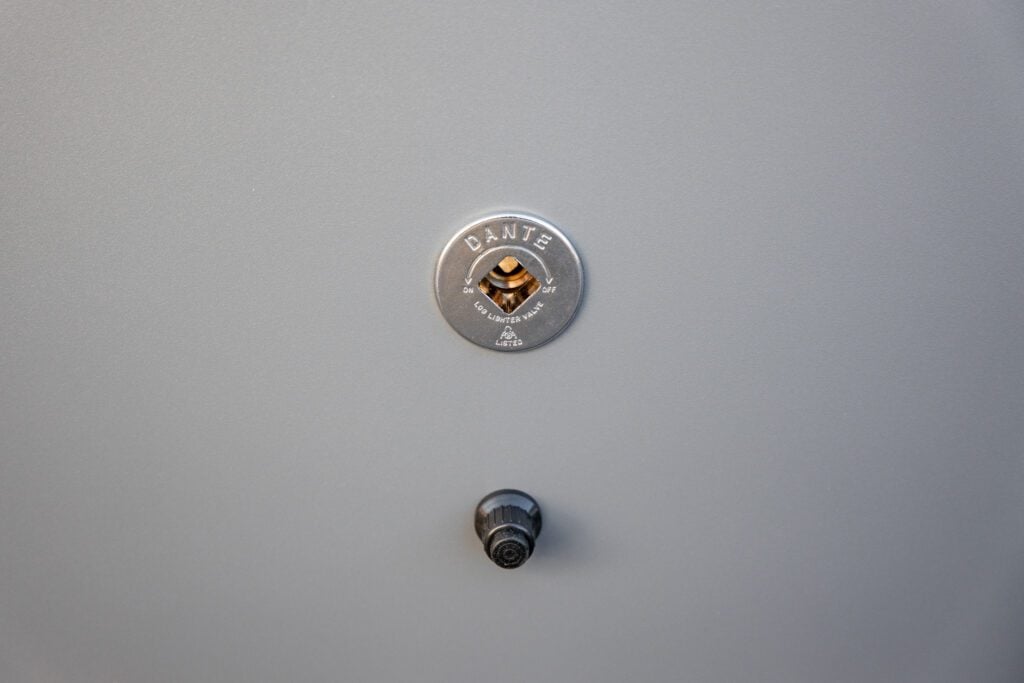
The vessel changes; the fire system does not. Every complete Montana Fire Pits table is built around a Crossfire brass burner by Warming Trends, runs on the same universal burner platform, and ships with the install hardware matched to it. Each table is made to order and hand-built in Missoula, Montana, to the same proportions per model regardless of which material you choose. You are selecting how the table looks and where it can go, on top of a fire system that stays constant.
A note before you order
Vessel material is set at the time of build, so it is worth getting right for your site rather than reconsidering later. If you can describe your space, its location, its surface underneath, and how much weight it can hold, we can point you to the material that fits. Reach out and we will walk through it with you.
What goes in the vessel: a guide to fire media
The burner makes the flame. The media is what you look at. Everything sitting in the vessel of a gas fire table,
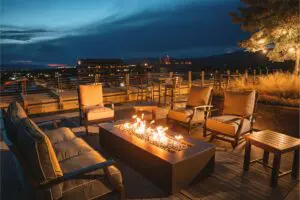
Aluminum: the vessel material that earns its place
Fire features have become a standard expectation in premium outdoor design. Clients want them. Architects draw them in. And as the contractor, you’re the one who has to make the vision actually work — with real gas lines, real installation conditions, and a real client standing by.
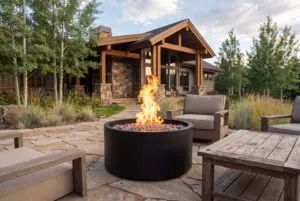
The Yellowstone Edge Is Here
The Venture Series · 2026 Release The Yellowstone Edge does not ask for attention. This is the newest addition to The Venture